
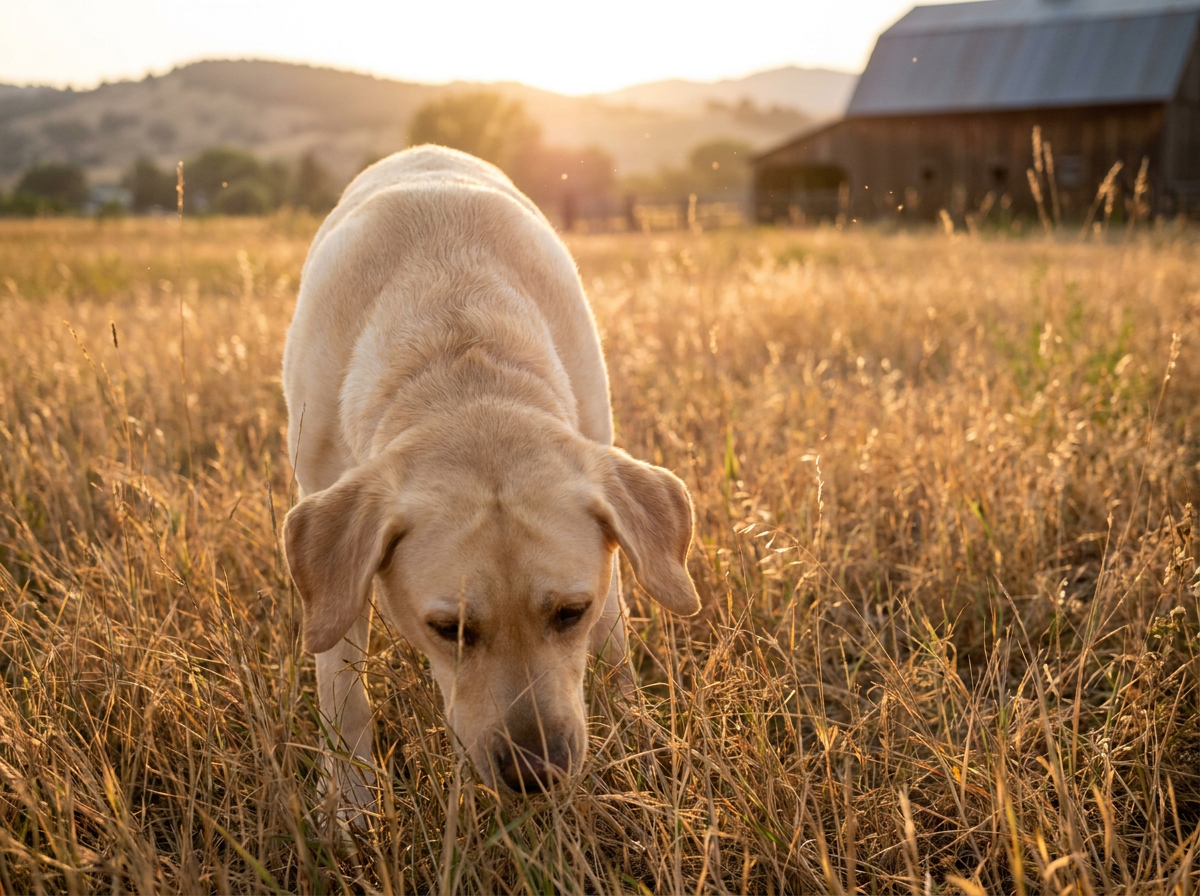
Labs were built to use their nose. It's not just a cute party trick — scent work is literally in their DNA. And “Find It” is one of the easiest, most satisfying ways to tap into that natural drive and give your dog a real job to do. Whether you have a family companion or a hunting dog in training, this one command delivers big rewards. 🐾
Why “Find It” Is Such a Big Deal
Ten minutes of nose work tires a dog out more than a 30-minute walk. Seriously. Mental stimulation burns energy in a way that physical exercise alone can't match. For a lab that's been cooped up inside or is bouncing off the walls, a good Find It session can flip the switch from “chaos” to “calm” faster than almost anything else.
It also builds confidence, strengthens focus, and — for hunting dogs — sharpens the very instincts they'll use in the field come fall.
How to Teach It: Start Simple
You don't need fancy equipment. Start with high-value treats — something your dog really loves.
Step 1: The Easy Introduction
Let your dog watch you place a treat on the floor a few feet away. Point to it and say “Find it!” in an excited voice. When they go get it, celebrate like they just won a championship. 🎉
Repeat this 5–10 times until they understand the game. The goal right now is just connecting the words “Find it” with the action of using their nose to search.
Step 2: Add a Little Mystery
Once they get the concept, put your dog in a sit-stay (or have someone hold them) and hide treats in easy spots — behind a chair leg, under the edge of a rug, near a table foot. Release them with “Find it!” and watch that nose go to work.
Keep the hides easy at first. You want your dog to succeed quickly and build enthusiasm. A confused dog loses interest fast; a dog who finds it every time gets more excited with every round.
Step 3: Take It Outside
Now things get really fun. Scatter a handful of kibble in the grass and say “Find it!” Watch your dog work the entire yard, nose vacuuming every blade of grass. This is pure joy for a lab.
From here you can start hiding toys, specific objects, or even transition to finding a dummy or bird wing — which is exactly how hunting dogs start learning to mark and hunt fallen birds.
Ways to Use It Every Day
- Scatter their morning kibble in the backyard instead of using a bowl
- Hide a favorite toy and send them to find it before a play session
- Use it on rainy days when outdoor exercise isn't happening
- Hide treats around the house on a boring afternoon
- For hunting dogs: hide a scented dummy or frozen bird wing in cover and let them work it out
Tips for Success
- Always end on a win — don't hide it so well they give up
- Keep sessions short (5–15 minutes) — nose work is genuinely tiring
- Use the same cue every time so the word becomes powerful
- Let them problem-solve — resist pointing them right to the answer
- Your excitement is contagious — celebrate every find like it's a big deal
From Hillcrest Farm
We use nose work and Find It games with puppies starting at just a few weeks old as part of the Puppy Culture program. By the time your pup comes home, they already know how to use that nose. All you have to do is keep the game going — and they'll love you for it. 🐾