Summer Field Training: Getting Your Hunting Dog Ready for Fall
July 19, 2026
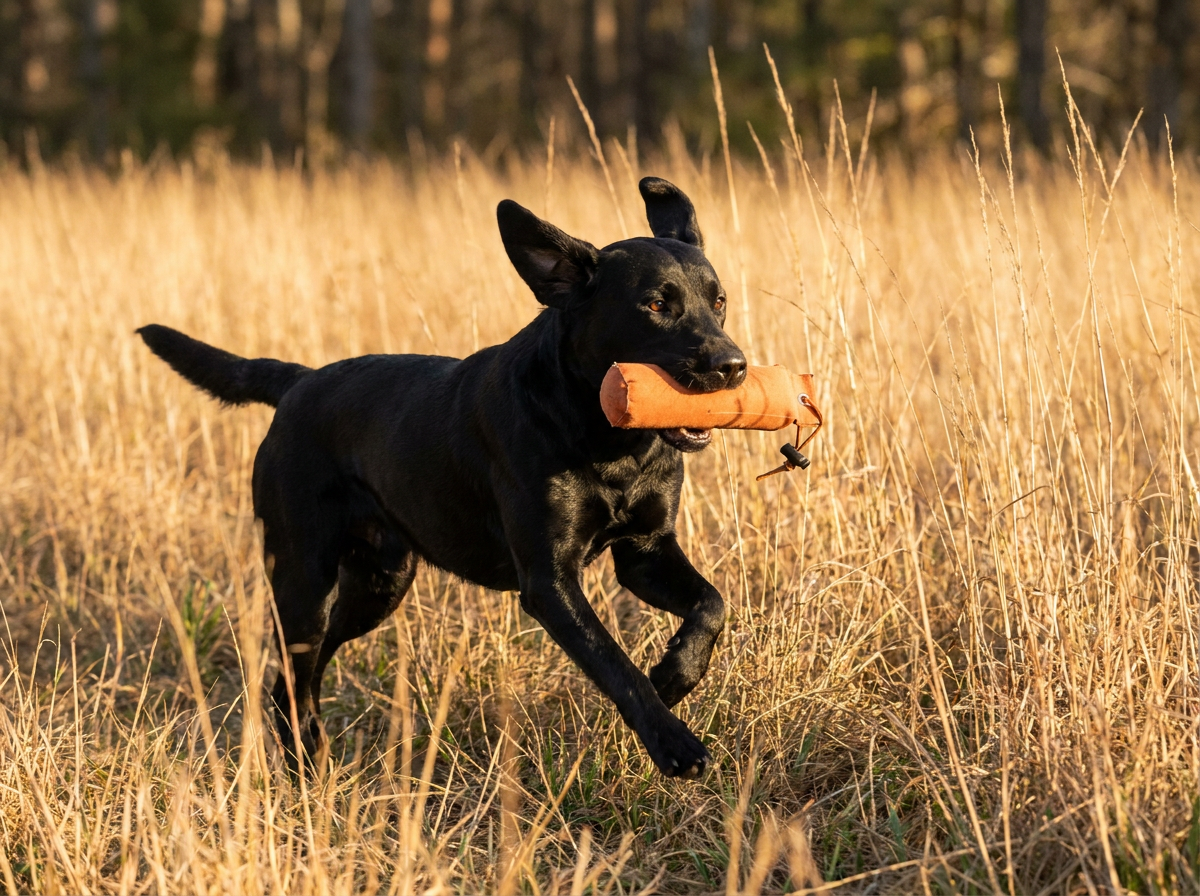
July might feel far from duck season — but your dog doesn't know that. And if you wait until October to shake off the rust, you'll spend the first few weeks of season wishing you'd started sooner. Summer is prime time to build the foundation that makes for a great hunting partner come fall. 🐾
Here's how to use these next few months well — without burning your dog out in the heat.
Start with a Fitness Check
Before you start throwing long retrieves and running drills, take an honest look at your dog's current conditioning. A dog that's been lounging on the couch since last November needs to rebuild before they're ready for serious field work.
Start with 20–30 minutes of easy movement — walking, swimming, light fetch — and build from there over 2–3 weeks. Pads toughen up, muscles rebuild, and cardiovascular fitness returns faster than you'd expect. Don't skip this step. A soft dog pushed too hard too fast gets injured, and then you're really behind.
Refresh Your Core Commands
Before you ever touch hunting-specific drills, make sure your obedience foundation is solid. A hunting dog that won't heel, won't hold a sit-stay, or won't come when called is a liability in the field — and a frustration everywhere else.
- Sit/stay at distance — can they hold a mark while you walk 30 yards away?
- Recall under distraction — will they come when birds, smells, or other dogs are competing for attention?
- Heel — walking calmly on a loose leash without pulling toward every interesting smell
- Place/kennel — settling quietly in the blind or kennel between retrieves
Spend a few sessions per week on these before adding field-specific work. It pays off every single time.
Introduce (or Reintroduce) Birds
For young dogs, summer is the perfect time for first bird introductions. Frozen pigeons or ducks, fresh-killed birds, or bird wings tied to a bumper — even brief exposure to bird scent and feathers builds the drive and excitement that makes a great hunting dog.
For experienced dogs, a few bumper retrieves in cover followed by a fresh bird will remind them what this is all for. Watch their body language change the second they scent bird — that's the drive you want lit up heading into season.
Work on Marking and Memory
Single marks, double marks, memory birds — these are the building blocks of a dog that handles real hunting situations. Summer is a great time to sharpen marks in different terrain and light conditions so nothing surprises your dog when it matters.
- Start with short, visible singles and build distance gradually
- Vary terrain — grass, water, cattails, standing corn if you have access
- Introduce doubles only when singles are clean and confident
- Practice in morning and evening light when temperatures are manageable
Heat Safety During Summer Training
This cannot be said enough: dogs can't cool themselves the way we do. Panting is their main mechanism and it's not very efficient in high heat and humidity. During July and August:
- Train in the early morning or after sunset — never in midday heat
- Keep sessions short (15–20 minutes of actual work) in hot weather
- Always have cool, fresh water available — let them drink between retrieves
- Watch for heavy, labored panting, stumbling, or reluctance to retrieve — those are warning signs
- Cool them down with water on the belly and paws, not just the back
A Simple Summer Training Schedule
- 3–4 days/week of active training (mix of obedience and field work)
- 1–2 days/week of conditioning-only (swimming, walks, light fetch)
- 2–3 days/week of rest — real rest, not just a short walk
Consistency over intensity. Short, quality sessions beat marathon weekends followed by nothing. Your dog will be in peak shape by September — and that's exactly when you want them. 🐾