
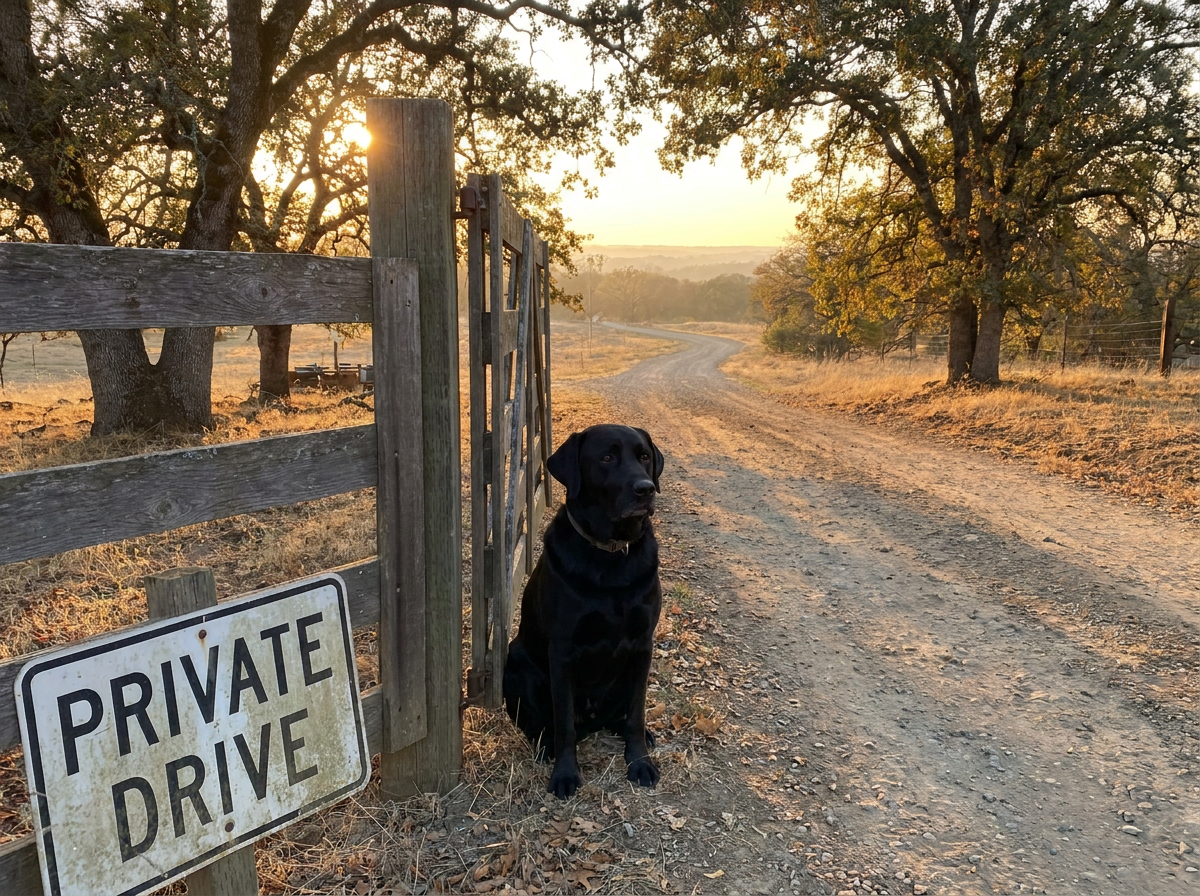
It happens fast. A gate left open, a spooked reaction to fireworks, a leash that slips — and suddenly your dog is gone. The first few hours matter most. Here's exactly what to do.
Step 1: Search Your Immediate Area First
Before you panic, check every room, closet, and hiding spot in your home. Dogs — especially labs — can squeeze into surprising places when they're scared. Then move outside: under decks, behind sheds, in bushes, along fence lines. Call their name calmly. A frightened dog may not come to frantic calling.
Step 2: Get the Word Out Immediately
Time is your most valuable resource. The faster you spread the word, the better your chances.
- Neighbors — Go door to door within a few blocks. Ask them to check their garages, sheds, and backyards.
- Nextdoor app — Post immediately with a clear photo. This reaches your neighborhood fast.
- Lost Pets Facebook groups — Search your county or city name + "Lost & Found Pets." These groups move quickly and local members are often actively watching.
- Your personal Facebook/Instagram — Share, and ask friends to share. A single share can reach thousands.
Step 3: Contact Local Shelters and Animal Control
Call every shelter and humane society within a 30-mile radius — don't just check their websites, call directly. File a lost report in person if you can, and bring a photo. Visit shelters every 1–2 days, because animals aren't always logged online immediately. Also contact your local animal control officer — they may have already received a call about a found dog.
Step 4: Make Flyers
Keep it simple: large photo, your dog's name, your phone number, and a brief description (color, size, any distinguishing markings). Post them at:
- Vet clinics and pet stores
- Feed stores and farm co-ops
- Gas stations and convenience stores
- Busy intersections near where your dog was lost
Laminate them if rain is possible.
Step 5: Search at Dawn and Dusk
Lost dogs often move at dusk and dawn when it's quieter. Drive or walk the area slowly. Bring something that smells like home — a worn shirt or their bedding — and leave it near where they went missing. Some owners also leave a crate with the door open and food inside.
Step 6: Don't Give Up Too Soon
Dogs have been found weeks and even months after going missing. Keep checking shelters regularly, re-post on social media every few days, and keep your phone nearby. The story isn't over until your dog is home.
A Word on Prevention
The best time to think about this is before it ever happens — microchipping, ID tags, and GPS collars give you a fighting chance to recover a lost dog quickly. Check out our article on keeping your dog safe at home for more on those options.